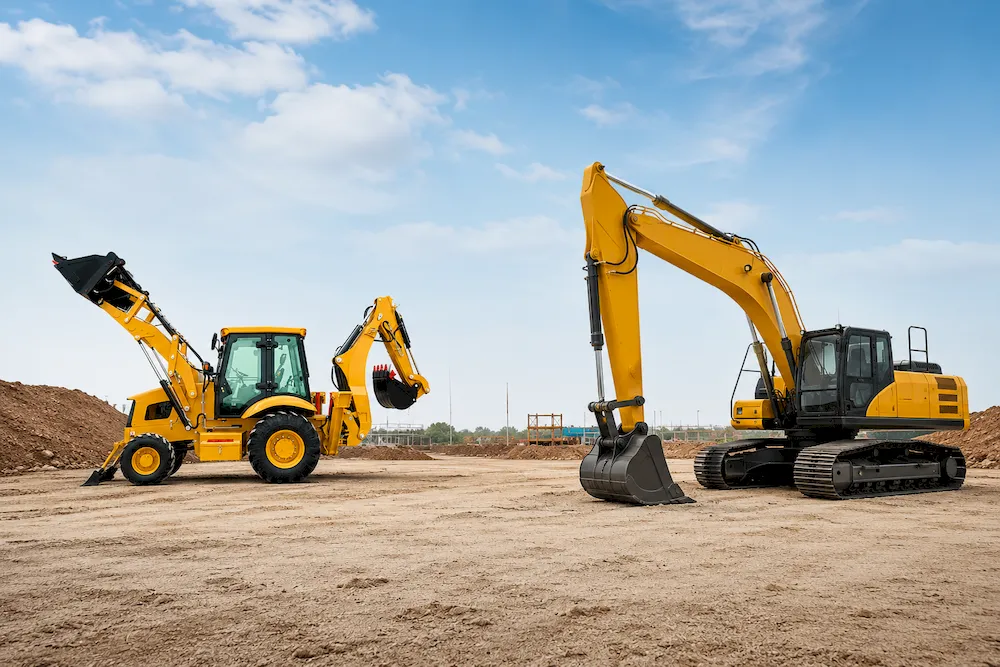
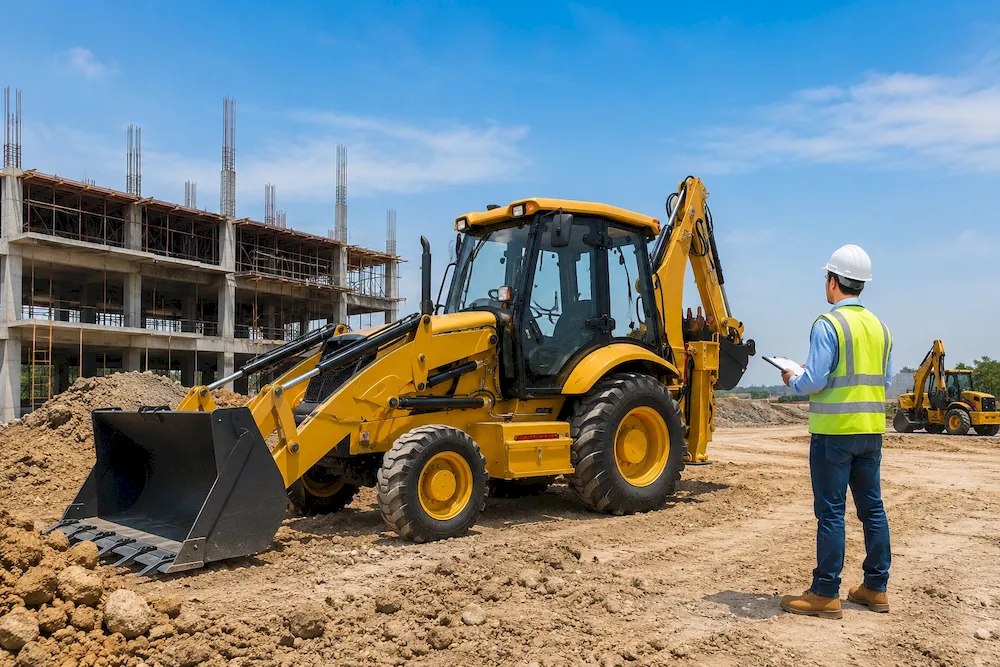
Choosing the right backhoe loader is an important decision for construction companies, contractors, and equipment buyers. A backhoe loader is a versatile machine that combines the functions of a loader and an excavator, allowing operators to perform digging, loading, trenching, material handling, and site preparation with a single machine.
However, different construction projects have different requirements. Selecting a machine only based on price or appearance may lead to higher operating costs, lower efficiency, and unnecessary maintenance problems.
This guide explains the key factors to consider when choosing the right backhoe loader for construction projects, including performance specifications, working conditions, machine configuration, and long-term ownership value.
What Is a Backhoe Loader and Why Is It Important?
A backhoe loader is a multi-purpose construction machine equipped with:
- A front loader bucket for loading and material handling
- A rear excavator arm for digging and trenching
- A powerful hydraulic system for heavy-duty operations
- A mobile chassis for flexible movement between job sites
Compared with dedicated excavators or wheel loaders, backhoe loaders provide a balance between mobility, versatility, and operating efficiency.
They are widely used in:
- Building construction
- Road construction
- Agricultural projects
- Utility installation
- Landscaping
- Municipal engineering
- Infrastructure development
For small and medium-sized construction projects, a backhoe loader can often replace multiple machines, reducing equipment investment and labor requirements.
1. Understand Your Project Requirements
Before selecting a backhoe loader, the first step is understanding your actual working environment and application.
Different projects require different machine capabilities.
Construction and Building Projects
For general construction projects, the machine should provide:
- Strong digging performance
- Reliable lifting capacity
- Good maneuverability in limited spaces
- Efficient material loading
A medium-size backhoe loader is usually suitable because it offers a good balance between power and flexibility.
Road Construction and Infrastructure Projects
Road and infrastructure projects often require machines that can operate continuously under demanding conditions.
Important features include:
- High engine power
- Durable chassis structure
- Strong hydraulic performance
- Stable operation on uneven terrain
A four-wheel-drive backhoe loader is especially useful for outdoor construction sites where ground conditions may change frequently.
Agricultural and Rural Applications
For agricultural projects, the machine should focus on versatility.
Common applications include:
- Land preparation
- Irrigation trenching
- Material transportation
- Farm road maintenance
Compact and fuel-efficient models are often preferred because they provide lower operating costs.
2. Consider Operating Weight and Machine Size
Operating weight is one of the most important specifications when choosing construction equipment.
A heavier machine generally provides:
- Better stability
- Higher digging force
- Stronger lifting ability
However, larger machines may have limitations when working in narrow areas.
When selecting operating weight, consider:
- Job site size
- Transportation requirements
- Required digging depth
- Material handling tasks
For example:
A compact backhoe loader may be suitable for landscaping and small construction projects, while a larger model is better for infrastructure and heavy-duty applications.
3. Evaluate Engine Power and Hydraulic Performance
The engine is the main power source of a backhoe loader.
A reliable engine provides:
- Higher productivity
- Better fuel efficiency
- Stable performance during continuous operation
When comparing different models, consider:
Engine Power
Higher horsepower helps the machine handle:
- Heavy digging operations
- Large material loads
- Difficult terrain
Hydraulic System
The hydraulic system directly affects:
- Digging force
- Loading speed
- Attachment performance
A high-quality hydraulic system ensures smoother operation and improved working efficiency.
For professional construction applications, hydraulic performance is often more important than simply choosing the machine with the highest engine power.
4. Check Digging Depth and Bucket Capacity
The digging depth determines what type of excavation work the machine can complete.
A deeper digging capability is important for:
- Pipeline installation
- Drainage systems
- Foundation preparation
- Utility projects
Bucket capacity affects loading efficiency.
A larger bucket allows operators to move more material in each cycle, improving productivity.
When selecting a backhoe loader, evaluate:
- Maximum digging depth
- Bucket capacity
- Loader lifting height
- Digging reach
These specifications should match your typical project requirements.
5. Choose the Right Drive System
The drive system directly affects machine performance in different environments.
Two-Wheel Drive Backhoe Loader
Advantages:
- Lower purchase cost
- Lower maintenance requirements
- Suitable for flat working environments
Recommended for:
- Urban construction
- Indoor projects
- Developed job sites
Four-Wheel Drive Backhoe Loader
Advantages:
- Better traction
- Improved stability
- Stronger performance on difficult terrain
Recommended for:
- Mining areas
- Rural construction
- Road projects
- Muddy or uneven ground
For global construction markets, especially areas with challenging working conditions, 4WD backhoe loaders are often the preferred choice.
6. Consider Operator Comfort and Safety Features
Construction equipment operators often work long hours, so operator comfort directly affects productivity.
Important features include:
- Ergonomic control layout
- Comfortable cabin design
- Excellent visibility
- Air conditioning options
- Low vibration operation
Safety features should also be considered:
- Reliable braking system
- Stable machine structure
- Safety glass cabin
- Emergency systems
A comfortable and safe working environment helps reduce operator fatigue and improves overall efficiency.
7. Check Maintenance Support and Spare Parts Availability
Purchasing a backhoe loader is not only about the initial investment. Long-term operating costs are equally important.
Before buying, consider:
- Availability of spare parts
- Technical support
- Maintenance requirements
- Warranty coverage
A reliable manufacturer should provide:
- Detailed operation manuals
- Spare parts supply
- Remote technical assistance
- After-sales service
This is especially important for international buyers importing construction machinery.
8. Choose a Reliable Backhoe Loader Manufacturer
The manufacturer plays an important role in equipment quality and ownership experience.
When evaluating suppliers, consider:
Manufacturing Capability
Check:
- Factory experience
- Production capacity
- Quality control system
- Testing procedures
Export Experience
An experienced exporter understands:
- International shipping requirements
- Different market standards
- Customer support needs
Customization Options
Professional manufacturers can provide:
- OEM branding
- Color customization
- Configuration adjustments
- Attachment solutions
This is valuable for dealers and construction companies building their own equipment portfolio.
Conclusion: Select the Backhoe Loader That Matches Your Business Needs
Choosing the right backhoe loader requires more than comparing prices. The best machine is the one that matches your project requirements, working environment, and long-term business goals.
Before making a purchase decision, evaluate:
- Operating weight
- Engine power
- Hydraulic performance
- Digging depth
- Bucket capacity
- Drive system
- Maintenance support
- Manufacturer reliability
A properly selected backhoe loader can improve productivity, reduce operating costs, and provide reliable performance for years.
For contractors, dealers, and construction companies looking for dependable equipment solutions, choosing a professional backhoe loader supplier is the first step toward successful project execution.